
Nearly a decade after Vine’s sudden shutdown, the six-second loop is coming back
And For That We Have Evan Henshaw-Plath to Thank…
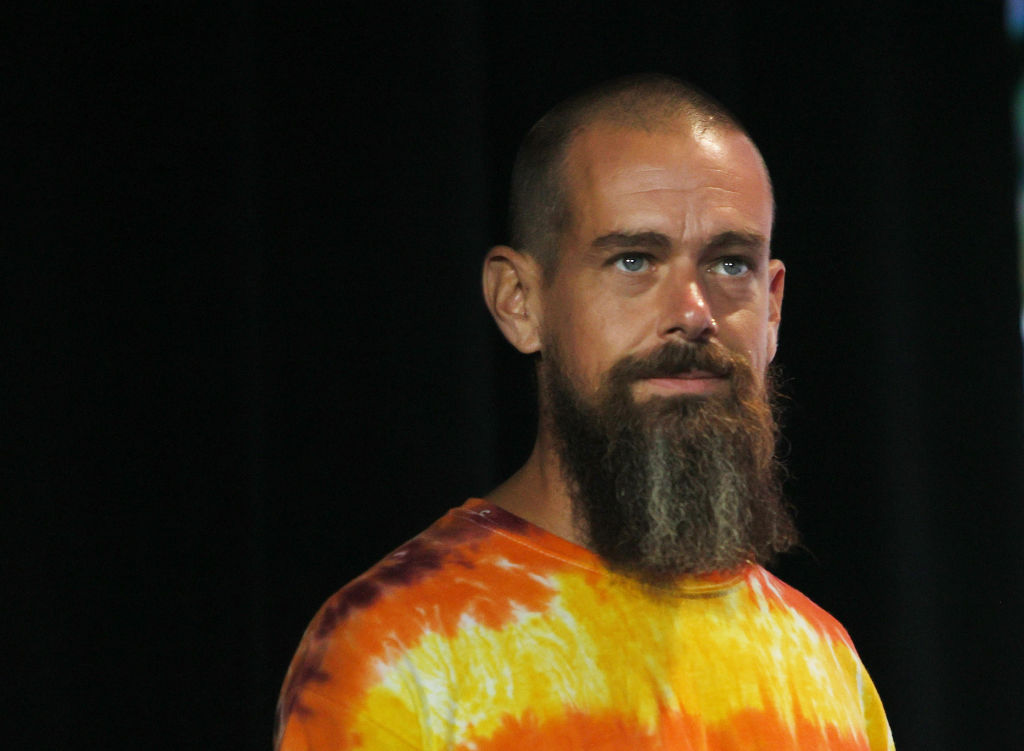
The man Jack Dorsey is trusting the revival to, Evan Henshaw-Plath, known in the tech world by his handle “Rabble”—an early Twitter engineer and a veteran creator of decentralized social tools. With backing from Jack Dorsey’s nonprofit collective “and Other Stuff,” Henshaw-Plath is pioneering diVine (often called Divine), a rebooted Vine experience that blends nostalgia with a human-first stance against rampant AI content.
His Roots in Social History
Henshaw-Plath’s career is steeped in early social media innovation. As the first employee at Odeo—the company that birthed Twitter—he experienced firsthand the seismic shift in how people communicate online. Following years building decentralized projects like Indymedia and Nos, he turned his attention back to Vine, determined to resurrect its spirit for a new generation.
diVine revives Vine’s iconic six-second looping format, allowing users to upload fresh clips while also hosting an extensive archive of original Vine videos. Thanks to a painstaking reconstruction from archive backups, the platform features roughly 170,000 original Vines, along with plans to restore millions of user comments and profiles, giving creators a chance to reconnect with their early audiences.
Building Authenticity in an AI-Slop World
What sets diVine apart from today’s social platforms is its staunch opposition to AI-generated content. In an era where TikTok, YouTube, and Instagram are flooded with algorithmically generated, sometimes deceptive clips, diVine implements built-in AI detection and verification technologies to identify genuine human-made videos. The platform proudly badges trusted content and blocks suspected AI uploads, carving out a space for creator authenticity.
This anti-AI stance is more than a curatorial preference; it’s a strategic difference that pushes back against what the founder describes as an “AI takeover of social media.” By prioritizing verified real footage shot on smartphones, diVine appeals to users craving genuine creativity amidst a sea of synthetic content.
A New Social Model
Underpinning diVine is the open, decentralized Nostr protocol, championed by Dorsey and other advocates for open social networks. This foundation empowers users with greater control over feed algorithms, moderation, and data privacy, diverging sharply from the centralized, ad-driven models popularized by tech giants.
Open-source at its core, diVine allows for customizable moderation and user-created feed algorithms, emphasizing agency and transparency. It’s a community-centered experiment enabled by philanthropy rather than traditional venture capital, giving the project room to explore alternative ecosystem models without relentless growth pressures.
The Road Ahead
Despite the enthusiasm, diVine faces significant hurdles. The platform is currently in beta, with a web experience live and an iOS beta involving approximately 10,000 testers. Full app store availability remains forthcoming. The decentralized nature poses complex challenges for unified moderation and scalability, especially as the platform attempts to filter AI-generated content and manage copyright issues around reclaimed Vine videos.
For original creators, diVine offers a new opportunity for rediscovery and legacy preservation. Yet, without a clear monetization strategy reported, long-term adoption may hinge on enabling sustainable revenue streams for creators, such as subscriptions or direct payments.
A Signal of Hope?
diVine’s emergence signals a broader cultural and technological trend. As AI-generated media floods mainstream platforms, some founders and funders are doubling down on authenticity and provenance, carving out niches dedicated to real human creativity. By backing a Vine reboot with an anti-AI ethos, Jack Dorsey and Evan Henshaw-Plath spotlight a new direction in social media—one that values genuine connection over algorithmic amplification.
This project doesn’t just reboot a beloved platform; it challenges how we think about content, trust, and community in a digital age overwhelmed by synthetic media.
In the ever-evolving creator economy, where AI threatens to redefine content authenticity, diVine stands as a human-centric alternative—reminding us that the original spark of creativity comes from people, not machines.
Sources: TechCrunch, Yahoo News UK, TechCrunch (and Other Stuff), Business Insider